
Your equipment is in the spec. Your leaders are nowhere online.
Every business day, our people post, comment, and reach out in your leaders' voices, so specifiers, buyers, and recruits know them in the months between trade shows.
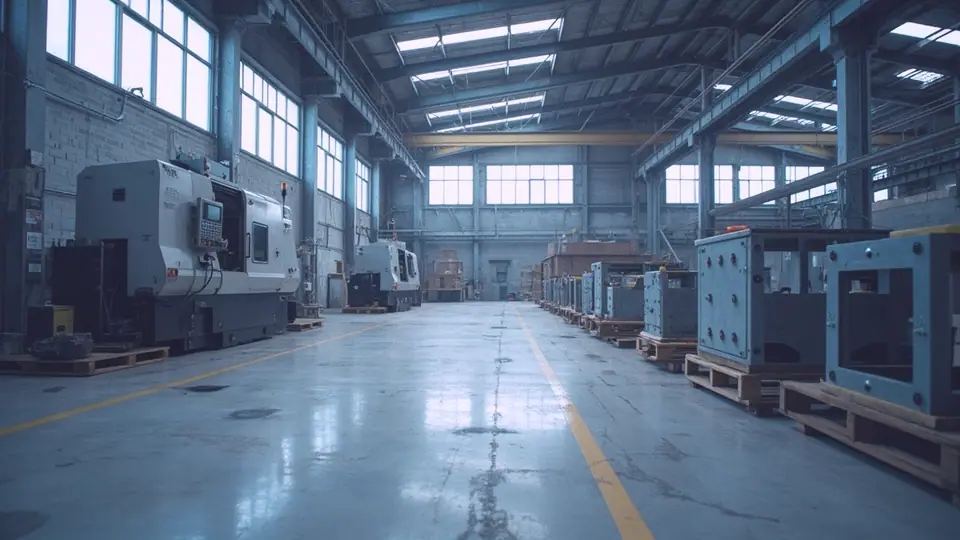
What specifiers find when they look up your people
Engineers and buyers research a maker before they put it on a bid list. They read the company page and look for a person to talk to.
A plant full of expertise and no public face
Your VP of engineering can explain a custom skid better than anyone in the industry. Their profile says VP of Engineering and shows no recent activity.
Reps retire and the relationships go with them
The people who knew the spec engineers for twenty years are leaving. Their replacements start in a market that has never heard of them.
Fifty weeks of silence between shows
Fabtech week is loud, and the feed is dead the rest of the year. A competitor who posts all year is the name an engineer remembers when a drawing needs a vendor.
What an engineer sees when your leaders come up in search
What changes between trade shows
We build each leader's profile around the equipment and the problems it solves, and we run the daily work of posting, commenting on customer and EPC news, and connecting with specifiers. The profile and every post draw on a short voice interview, and drafts go to the leader before they publish.
Your applications engineering voice is in front of the right engineers every week, and not only the week of a show. Your market decides which of them send an RFQ. When one writes in, it reaches the right desk within one business day.
- Specifiers see how your engineers think about an application
- Distributors and reps see a company that backs them in public
- Trade show contacts hear from you before, during, and after the event, as people
- Candidates find machinists, welders, and engineers talking about their work
- A second-generation leader is introduced as the owner steps back
What a manufacturer's feed should show
The topics come from the floor and the engineering group, and customer names appear only with permission.
- An application, the problem it solved, and how the equipment was engineered for it
- Behind the build, with a fixture, a weld, a test, and the person who did it
- A new product line explained in terms a specifier uses
- Plant expansion and new machines on the floor
- A machinist or welder profile and what the job is like
- Lead times and supply chain realities, stated honestly
- Distributor and rep recognition, by name
- Fabtech, AHR Expo, and regional association threads, before and after each show
- 12posts a month for each leader, in their voice and sent to them for approval
- 10comments a business day on customers, EPCs, and specifiers you chose
- 160new, targeted connection requests a month to engineers and buyers
- 1business day to get a real inquiry to the right desk
Manufacturers this works for
A good fit
- Your equipment is engineered or custom, and engineering, operations, and procurement all weigh in
- Specifiers pick you long before purchasing buys, and cycles run many months
- You sell direct or work closely with reps, and want buyers to know your people
- A new product line, a plant expansion, or a leadership handoff gives you a reason to be known
Probably not a fit
- Distributor-led sales with no contact with the buyer
- Commodity products that compete on price
- An owner who prefers a handshake at the show and will not approve posts
- You want a promised count of RFQs
What manufacturing leaders ask
Do plant managers and engineers use LinkedIn?
Many use it to look up vendors and people before a call. We cannot speak for every plant, and we will tell you if yours looks like a poor fit.
Our reps handle the relationships. Where does this fit?
Next to them. Reps stay in front of the account, and your leaders stay in front of the engineer who chooses what goes in the spec.
Can you help us hire machinists and welders?
Our posts show the people and the work, which helps. Hiring is a side effect, and we do not promise a head count.
Will you post technical claims about our equipment?
Only the ones your engineering group has signed off on. If a draft sits for 48 hours with no reply, it goes out as written, so we keep specifications out of drafts unless they are already public.
See what a specifier would find today
Twenty minutes. We look up your president and your head of engineering together, talk about your last trade show, and tell you whether LinkedIn is where your buyers look.
Book a strategy call